


Introduction
The term “hanta virus” has seen a major rise in online searches because of recent outbreak news, social media discussions, and growing concern about rodent-borne diseases in the United States. Many people want clear answers after finding mouse droppings in a garage, cleaning a cabin, or hearing about rare but deadly infections linked to rodents.
Hantavirus is a rare but serious zoonotic viral disease spread mainly through contact with infected rodent urine, saliva, or droppings. In severe cases, it can lead to Hantavirus Pulmonary Syndrome (HPS), a life-threatening condition that affects the lungs and breathing.
The good news is that most infections are preventable. Understanding how the hanta virus spreads, what symptoms look like, and how to safely clean contaminated areas can greatly reduce your risk.
This guide explains everything in simple language, including symptoms, survival rates, treatment options, outbreak concerns, prevention tips, and the latest public health guidance used by U.S. health agencies.
What is the hanta virus?
Hanta virus refers to a group of viruses carried mainly by rodents. Humans can become infected after exposure to contaminated rodent droppings, urine, saliva, or nesting materials.
In the United States, the disease is most commonly linked to the deer mouse. Other rodents connected to hantavirus include cotton rats, rice rats, and white-footed mice.
There are two major hantavirus-related illnesses:
| Disease Type | Main Region | Main Effect |
| Hantavirus Pulmonary Syndrome (HPS) | Americas | Severe lung and breathing problems |
| Hemorrhagic Fever with Renal Syndrome (HFRS) | Europe & Asia | Kidney complications and bleeding issues |
HPS is the form most commonly discussed in U.S. searches and news coverage because it can rapidly progress into respiratory failure.
How does the hanta virus spread?
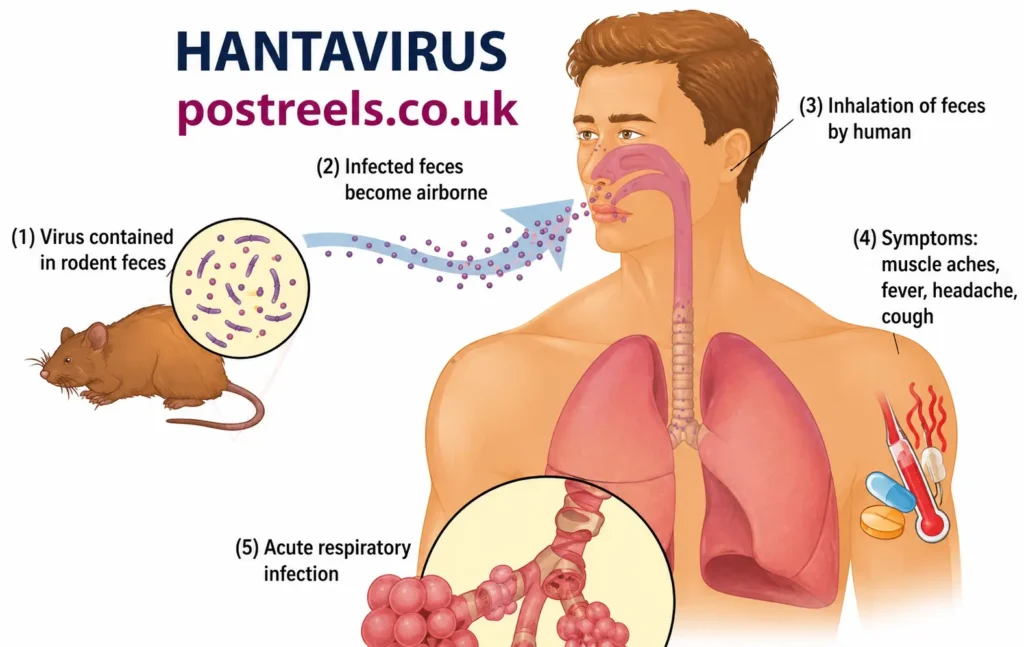
Most people get the hanta virus after inhaling aerosolized rodent particles in enclosed or poorly ventilated spaces.
Common exposure situations include:
- Cleaning garages
- Opening old cabins
- Sweeping mouse droppings
- Entering sheds or barns
- Disturbing rodent nests
- Camping in rodent-infested areas
- Handling contaminated storage boxes
The virus spreads mainly through:
- Infected rodent urine
- Contaminated rodent droppings
- Rodent saliva
- Dust particles carrying the virus
Can you get the hanta virus From One Mouse?
Possibly, but the overall risk remains low.
Not every mouse carries hantavirus. Infection usually requires exposure to contaminated particles in a concentrated environment.
Higher-risk situations include:
- Heavy rodent infestations
- Poor ventilation
- Dry sweeping contaminated dust
- Long-term exposure
- Rural buildings unused for months
How Can You Recognize Early Hanta Virus Symptoms?
Early hantavirus symptoms often feel similar to the flu or COVID-19. This is one reason diagnosis can be delayed.
Early Warning Signs
Common early symptoms include:
- Fever
- Fatigue
- Muscle aches
- Chills
- Headaches
- Dizziness
- Nausea
- Vomiting
- Diarrhea
- Abdominal pain
Many patients report severe muscle pain in the thighs, hips, and lower back.
Symptoms usually begin 1–8 weeks after exposure.
What Happens During Severe hanta virus Infection?
After the early flu-like stage, some patients rapidly develop severe respiratory illness.
This stage can become life-threatening within hours.
Severe Symptoms Include
- Shortness of breath
- Persistent coughing
- Chest tightness
- Fluid accumulation in the lungs
- Low oxygen levels
- Pulmonary edema
- Respiratory distress
- Rapid heartbeat
- Low blood pressure
Doctors often describe the illness as a rapidly progressive cardiopulmonary syndrome.
Many severe patients require intensive care treatment, oxygen therapy, or mechanical ventilation.
What Is Hantavirus Pulmonary Syndrome (HPS)?
Hantavirus Pulmonary Syndrome is the most dangerous form of hantavirus in North and South America.
HPS attacks the lungs and blood vessels. Fluid can build up inside the lungs, which makes it hard to breathe.
The condition became widely known after the Four Corners outbreak in the southwestern United States.
Key Facts About HPS
| Fact | Details |
| Main U.S. strain | Sin Nombre virus |
| Main rodent carrier | Deer mouse |
| Fatality rate | Around 30–50% in severe cases |
| Most affected states | New Mexico, Arizona, Colorado, Utah, California |
| Main danger | Respiratory failure |
Although HPS is rare, it is considered a major public health concern because of its high mortality rate.
Does hanta virus spread through human contact?
This is one of the most searched questions online.
For most hantavirus strains in the United States, person-to-person transmission does not occur.
However, the Andes virus in South America is a rare exception.
Important Clarification
The Andes virus has shown limited human-to-human transmission during close and prolonged contact.
This does not mean hanta virus spreads like COVID-19.
Health experts continue to emphasize that ordinary hantavirus infections are not considered highly contagious respiratory outbreaks.
This distinction matters because social media often exaggerates the pandemic risk.
How Dangerous Is the Hanta Virus Really?
Hanta virus is rare but serious.
Most Americans will never encounter it. However, when the infection becomes severe, it can turn deadly very quickly.
Survival Rate and Mortality
| Condition | Estimated Fatality Rate |
| HPS in severe cases | 30–50% |
| Mild hantavirus infections | Much lower |
| Andes virus outbreaks | Varies by outbreak |
The biggest danger is delayed treatment.
Many patients initially think they have the flu. By the time breathing problems begin, hospitalization may become urgent.
Early medical attention greatly improves survival odds.
How do doctors diagnose hantavirus?
Doctors usually look for two things:
- Symptoms consistent with hantavirus
- A history of rodent exposure
Because symptoms mimic influenza and COVID-like illnesses, doctors often ask about:
- Cabin cleaning
- Rodent infestations
- Rural exposure
- Camping trips
- Farm work
- Exposure to mouse droppings
Common Diagnostic Tests
- IgM antibody testing
- RT-PCR testing
- Blood oxygen measurements
- Chest imaging
- Blood pressure monitoring
In severe cases, patients may require ICU admission immediately.
Is there a Treatment for hantavirus?
At present, there is no targeted antiviral treatment available for hantavirus infection.
Treatment focuses on supportive medical care.
Common Hospital Treatments
- Oxygen therapy
- IV fluids
- Mechanical ventilation
- Intensive care monitoring
- Dialysis for kidney complications
- ECMO support in critical cases
Patients treated early in the disease process often have better outcomes.
How Do You Safely Clean Mouse Droppings?
This is one of the most important prevention topics and one of the biggest weaknesses in current SERP content.
Many people accidentally increase risk by sweeping contaminated droppings.
What NOT To Do
Never:
- Sweep dry mouse droppings
- Vacuum contaminated areas
- Shake dusty blankets or nesting materials
- Enter closed rodent-infested spaces without ventilation
These actions can release airborne virus particles.
Safe Cleanup Steps
Step 1: Ventilate the Area
Open windows and doors for at least 30 minutes.
Step 2: Wear Protection
Use:
- Gloves
- Protective mask
- Eye protection if needed
Step 3: Spray Disinfectant
Use a bleach solution or EPA-approved disinfectant.
Let it soak before cleaning.
Step 4: Wipe Instead of Sweep
Use paper towels or disposable cloths.
Step 5: Dispose Safely
Seal waste in plastic bags.
Wash your hands thoroughly afterward.
This simple process dramatically lowers infection risk.
How Can You Prevent hanta virus Exposure?
Prevention mainly focuses on rodent control and environmental safety.
Practical Prevention Tips
Around the Home
- Seal wall gaps
- Repair vents
- Store food securely
- Remove clutter
- Use rodent traps
During Outdoor Activities
- Avoid sleeping near rodent nests
- Keep campsites clean
- Store food in sealed containers
- Avoid disturbing abandoned buildings
For Cabins & Rural Buildings
- Ventilate before entering
- Inspect for droppings
- Use disinfectants during cleanup
- Avoid stirring up dust
Farmers, hikers, RV owners, hunters, and cabin owners face higher environmental exposure risk.
Hanta Virus vs. COVID vs Flu: What’s the Difference?
This comparison is heavily searched but poorly covered by many competing articles.
| Feature | hanta virus | COVID-19 | Flu |
| Main source | Rodents | Human virus | Human virus |
| Person-to-person spread | Rare | Common | Common |
| Early symptoms | Flu-like | Flu-like | Flu-like |
| Severe stage | Lung fluid buildup | Pneumonia | Respiratory illness |
| Fatality rate | Much higher in severe cases | Lower overall | Usually lower |
| Main prevention | Rodent control | Vaccination | Vaccination |
One important difference is that hanta virus outbreaks remain rare and localized.
It is not spreading globally like COVID-19.
Where is the hanta virus Most Common in the United States?
Cases occur most often in western and southwestern states.
Higher-risk regions include:
- New Mexico
- Arizona
- Colorado
- Utah
- California
Rural environments with deer mouse populations are the most common exposure zones.
Seasonal increases often happen during warmer months when rodent activity rises.
What Long-Term Effects Can Survivors Experience?
This topic remains underserved in many medical articles.
Some survivors report:
- Fatigue
- Reduced lung capacity
- Weakness
- Anxiety after hospitalization
- Long recovery periods
Recovery can take weeks or months, depending on disease severity.
People who require intensive care treatment may need ongoing pulmonary rehabilitation.
Important Points to Remember
- Hanta virus is a rare rodent-borne zoonotic disease.
- Most U.S. cases involve Hantavirus Pulmonary Syndrome (HPS).
- Infection usually occurs after inhaling contaminated dust particles.
- Early symptoms resemble the flu.
- Severe cases can rapidly progress to respiratory distress.
- Person-to-person spread is extremely rare.
- Safe rodent cleanup is critical for prevention.
- Early medical treatment improves survival chances.
- Most outbreaks remain localized and uncommon.
Frequently Asked Questions
Is the hanta virus airborne?
It can become airborne when contaminated dust particles are disturbed, especially during sweeping or cleaning.
Can you survive the hanta virus?
Yes. Many patients recover with early supportive care and ICU treatment.
Does bleach kill hantavirus?
Yes. Proper disinfectants and bleach solutions help deactivate the virus on surfaces.
How long does hantavirus live in droppings?
Survival varies depending on sunlight, humidity, and temperature. Indoor contaminated areas may remain risky longer than outdoor environments.
Can dogs or cats spread hantavirus?
Pets are not major transmission sources, but they may bring infected rodents into homes.
Is hantavirus common in the U.S.?
No. It is considered rare, although cases still occur each year.
What animals carry hantavirus?
Rodents are the main carriers, especially deer mice, rice rats, and cotton rats.
Final Thoughts
Hanta virus remains one of the most serious rodent-borne diseases in the world, but it is also one of the most preventable.
The biggest risks come from rodent infestations, contaminated dust, and unsafe cleanup practices. Most infections happen in enclosed spaces where infected rodent droppings are disturbed.
While the disease can become severe, especially in cases of Hantavirus Pulmonary Syndrome, public health experts continue to stress that widespread transmission remains extremely rare.
Understanding the symptoms, recognizing exposure risks, and following safe rodent cleanup practices can significantly reduce the danger.
For anyone who develops flu-like symptoms after rodent exposure — especially breathing problems — immediate medical care is essential.